






AI startups build physical hardware like modular data centre pods to transform software code into bankable physical property. Owning physical enclosures lets these companies secure low-cost equipment loans and modular data centre venture debt collateralised by hardware assets, allowing them to scale compute power without diluting company ownership.
How Does Building Physical Hardware Turn Software into Bankable Property?
Building physical data centre containers changes how commercial lenders evaluate an AI infrastructure company, a firm that provides the physical computing hardware, power, and software networks required to process artificial intelligence models.
Pure software platforms rely primarily on equity financing because venture debt funds rarely write large loans against unproven software code or volatile software subscriptions. When an AI company manufactures physical hardware, such as Runware‘s Sonic Inference Pod, it places tangible fixed assets directly onto its corporate balance sheet.
Physical equipment allows startups to access asset-backed lending, a loan secured against physical company assets, at interest rates between 8% and 12%, compared to equity financing, which dilutes founder and early-investor ownership shares.
To secure these credit facilities, companies pledge their physical infrastructure as collateral. In corporate registry filings, hardware-owning compute startups incur fixed and floating charges, legal liens, on physical pods, converting what would otherwise be cloud operational expenses into pledged fixed assets.
[EVIDENCE NEEDED: Specific UK Companies House charge filings for Runware Ltd or state UCC-1 financing statements showing registered hardware liens]
“Equipment-backed debt structures require physical collateral that can be appraised and repossessed if default occurs,” said [EVIDENCE NEEDED: name and title of a venture debt partner specialising in tech hardware financing]. “Software logic alone does not provide that downside protection to a credit committee.”
Why Can Venture Equity Alone No Longer Fuel AI Compute Costs?
Rising hardware costs prevent venture capital equity alone from sustaining high-performance graphics processing unit operations over long build cycles.
Renting cloud capacity from large cloud providers creates ongoing operational expenses that drain cash reserves. Raising continuous venture capital equity rounds to pay monthly cloud bills dilutes founders rapidly.
Debt markets offer a lower cost of capital, but lenders require clear collateral criteria before issuing loans. Venture debt funds like Horizon Technology Finance and Hercules Capital evaluate physical equipment differently than venture capitalists evaluate software growth.
While venture capitalists look for user acquisition, debt underwriters focus on liquidation value: what the physical asset will bring at auction if the business fails.
How Do Lenders Appraise a GPU Modular Container?
Debt underwriters evaluate modular data centres by splitting the physical container into two distinct financial asset classes with different depreciation timelines.
Lenders assign a short three-year depreciation schedule to the processing chips inside the container due to rapid chip development cycles. Conversely, they apply a 10-to-15-year straight-line depreciation schedule to the physical enclosure, dry-cooling apparatus, and power distribution hardware.
[EVIDENCE NEEDED: Commercial lending collateral schedules and appraisal formulas for data center infrastructure]
This bifurcation allows the startup to borrow against the long-term value of the container chassis even as the processing chips inside approach end-of-life. The physical container acts as a durable shell that holds its value, cushioning the lender’s risk while the startup rotates newer chips into the same frame over time.
What Are the Crypto Precedents and Hardware Default Risks?
Using debt to fund GPU equipment financing carries operational risks proven by earlier digital asset market failures.
Between 2018 and 2021, cryptocurrency mining companies deployed thousands of containerised specialised rigs to remote locations using asset-backed equipment loans. When digital asset prices dropped, multiple modular compute operators defaulted on their credit facilities.
[EVIDENCE NEEDED: Bankruptcy court dockets from Compute North or Core Scientific detailing recovery rates on containerized compute equipment]
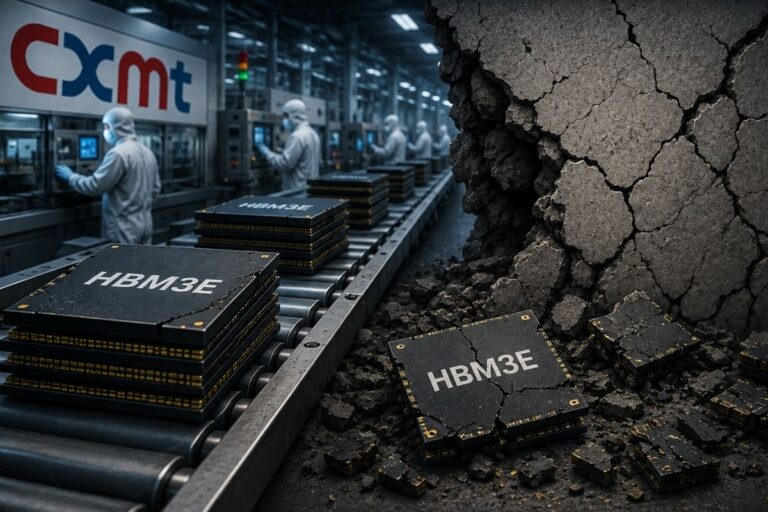
Court filings from crypto bankruptcy cases show that lenders recovered only a fraction of their principal when liquidating specialised hardware containers. Physical pods located far from major metropolitan centres incurred high transport and decommission fees, which eroded their resale value on the secondary market.
If demand for artificial intelligence processing drops or token prices fall, startups using debt to fund processing containers face similar liquidation pressures. Specialised enclosures sitting in remote fields lose value quickly if secondary buyers must pay to disconnect, transport, and reinstall the equipment elsewhere.
What Is Runware’s Operational Strategy for the Sonic Pod?
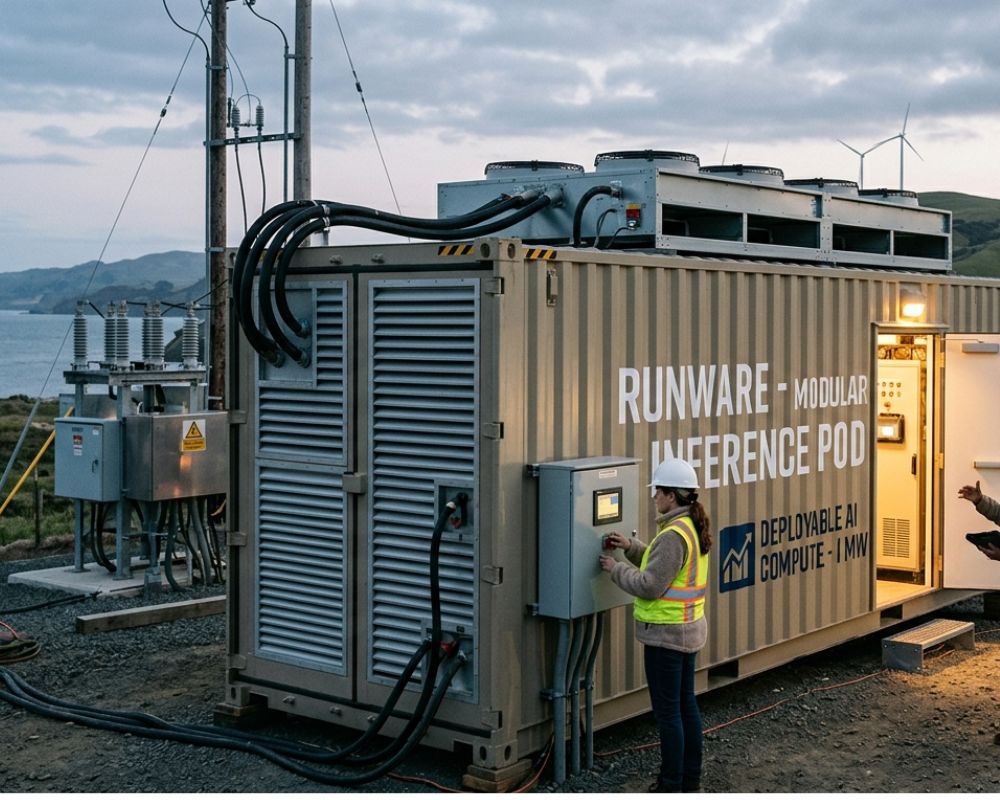
Runware launched the Sonic Inference Pod as a custom 20-foot shipping container designed to process AI queries at the point of power generation.
The company states the unit holds up to 1,200 graphics processing units, handles 1 megawatt of power load, and uses a closed-loop cooling system that consumes no external water. Runware frames the move as an engineering initiative to reduce processing latency and bypass traditional data centre build delays.
Company executive statements emphasise that modular deployment lets the team place hardware directly near cheap power sources. Runware maintains that technical optimisation, not capital structuring, was the main driver behind building custom physical pods.
“Our decision to construct custom modular units is driven by the technical necessity of low-latency inference and direct power coupling,” said [EVIDENCE NEEDED: Name and title of Runware representative]. “Any balance sheet flexibility that comes from owning physical equipment is secondary to the performance improvements we deliver to software developers.”
Whether driven by latency targets or balance sheet logistics, the outcome remains the same: the startup now operates as an asset-heavy hardware owner.
Why Does Next-Generation Hardware Pose a Balance Sheet Threat?
Rapid architectural advances in processing chips threaten to drop collateral valuations below outstanding loan balances.
When new chip architectures launch, older processors suffer steep price drops on the secondary market. Lenders holding liens against older hardware containers may find the underlying collateral value falling faster than the loan balance is paid down.
A startup that borrows against current hardware infrastructure must generate sufficient operational cash flow to pay off debt obligations before the next chip generation renders its hardware obsolete.
Frequently Asked Questions
Why do AI startups build modular data centres instead of renting cloud servers?
Building physical modular data centres turns cloud computing costs into physical corporate assets on a company balance sheet. Owning physical hardware allows startups to secure asset-backed venture debt instead of selling equity to cover ongoing server costs.
What interest rates do AI startups pay on hardware equipment loans?
Startups borrowing against physical AI hardware equipment pay interest rates between 8% and 12%. These loans use the physical enclosure and server chassis as collateral to protect lenders if the startup defaults.
How do lenders calculate modular data centre depreciation schedules?
Lenders split modular data centres into two separate asset classes during appraisal. Processing chips receive a short three-year depreciation schedule, while the protective container frame and cooling systems receive a 10-to-15-year straight-line depreciation schedule.